• Overview

Quick facts

  • Greece
  • Capital: Athens
  • Official Language: Greek
  • Currency: Euro (EUR)
  • Population: About 10.5 million
  • Area: Approximately 131,957 km²
  • Time Zone: UTC+2 (UTC+3 during daylight saving time)

Top attractions

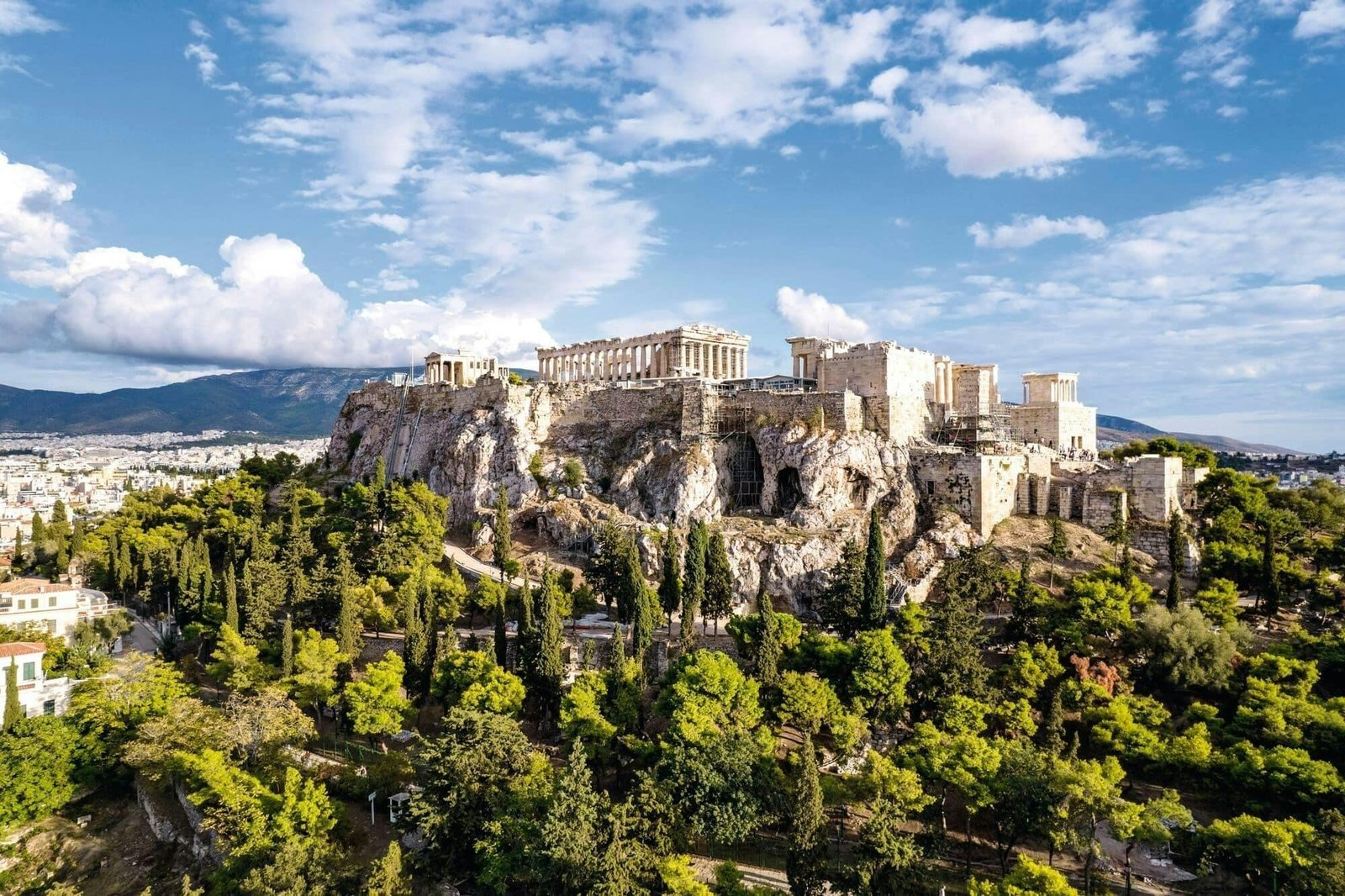
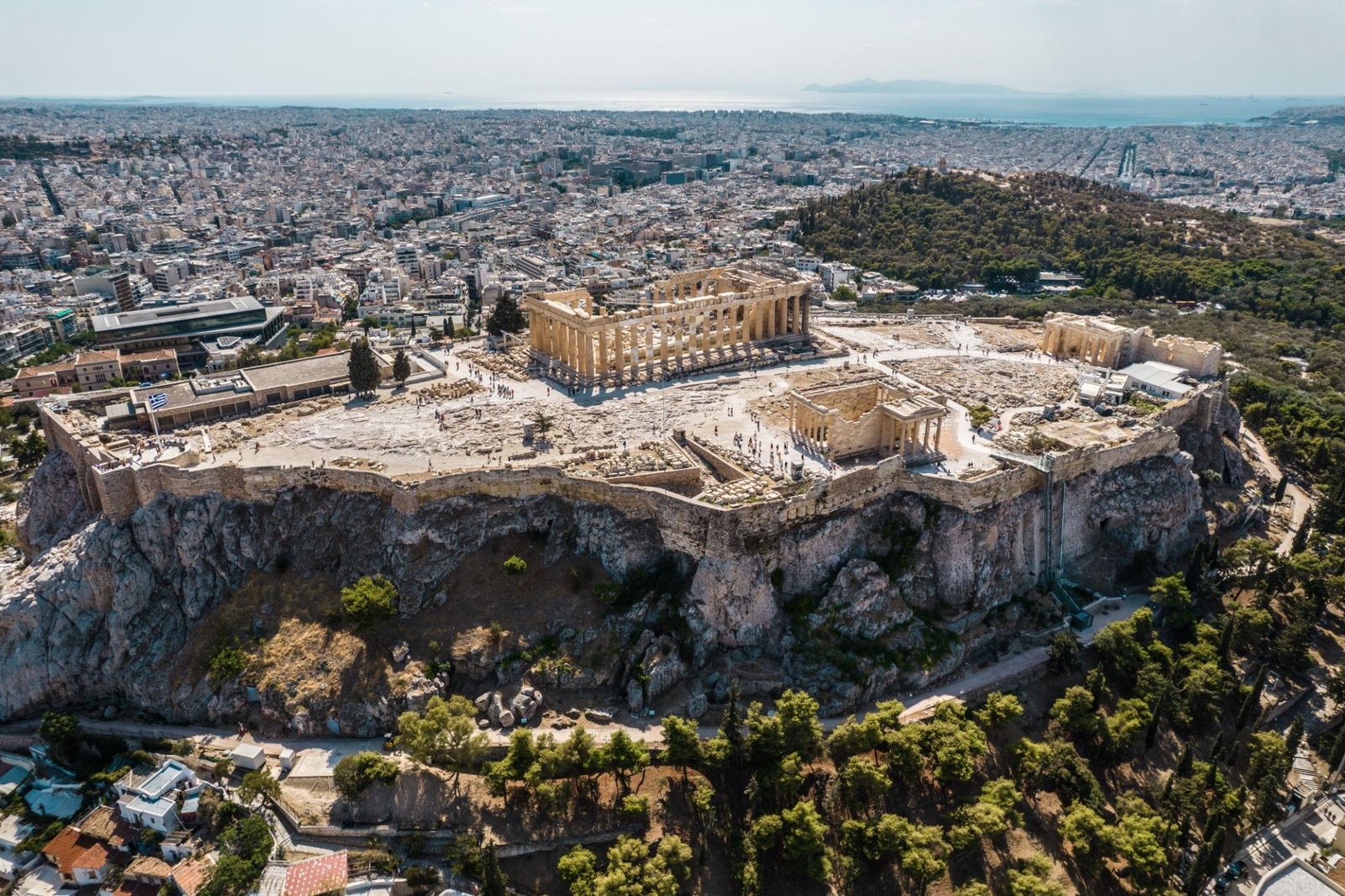
  • Acropolis of Athens – The iconic ancient citadel featuring the Parthenon.
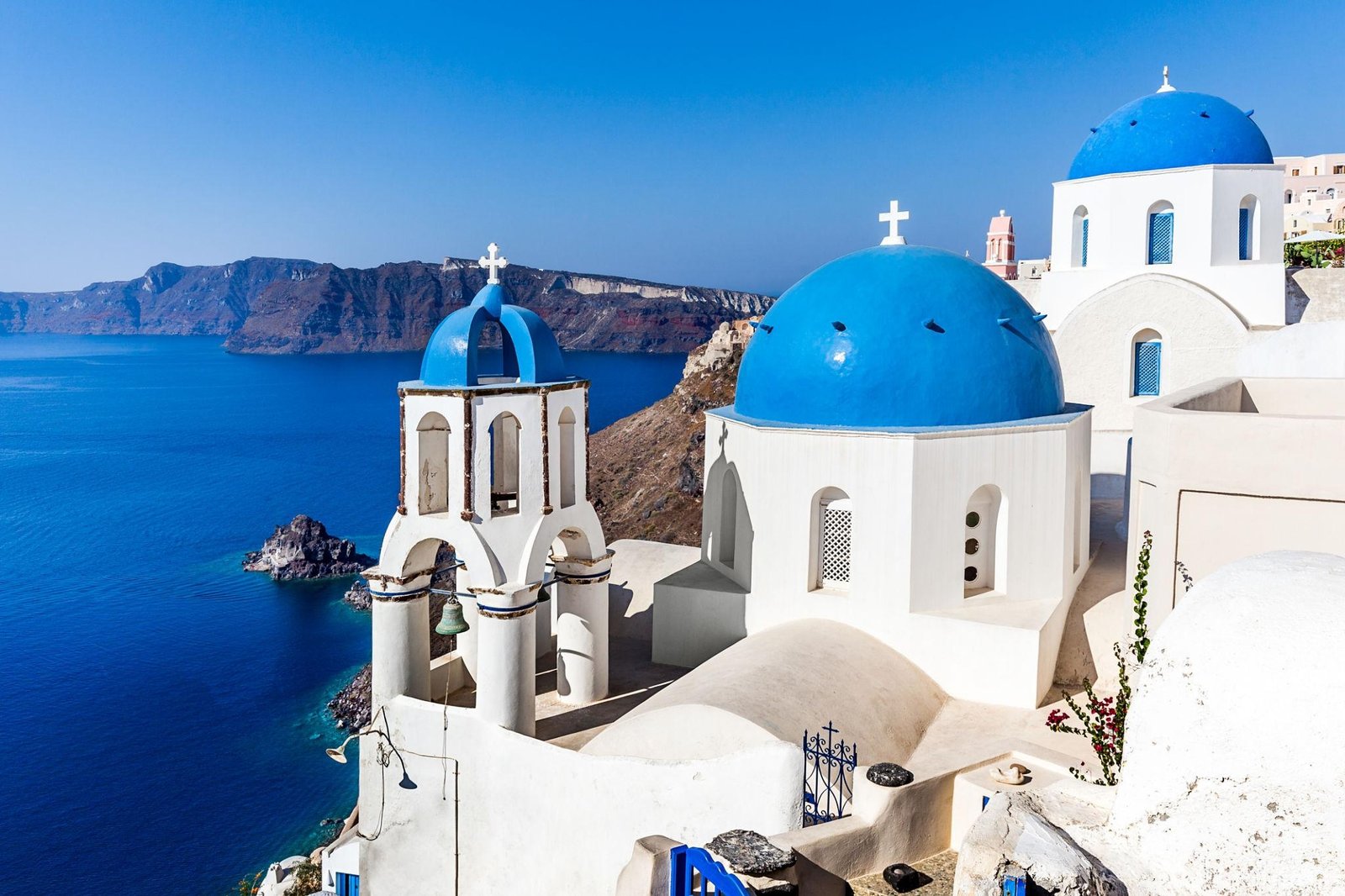
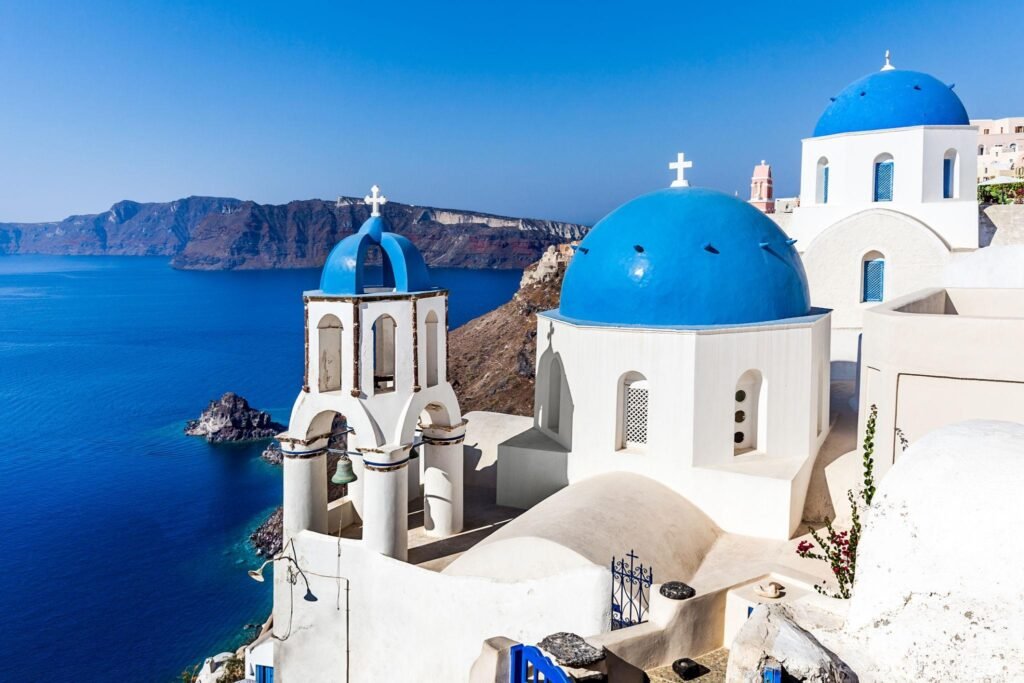
  • Santorini – Famous for its whitewashed buildings, blue-domed churches, and breathtaking sunsets.
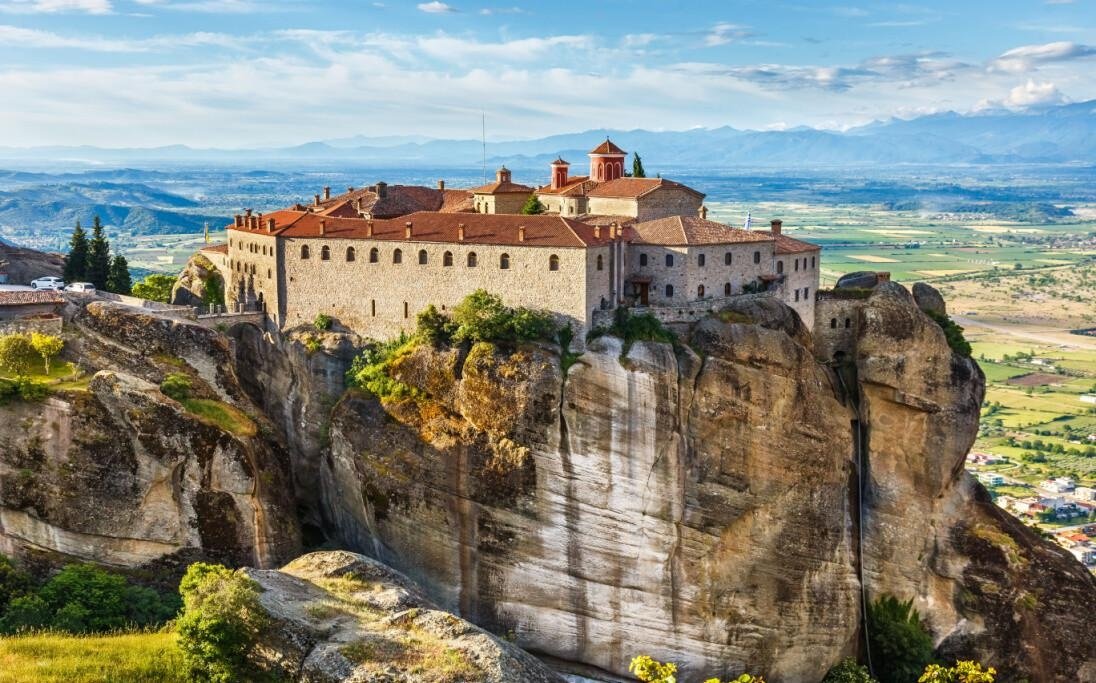
  • Meteora – A UNESCO World Heritage Site with monasteries perched atop towering rock formations.
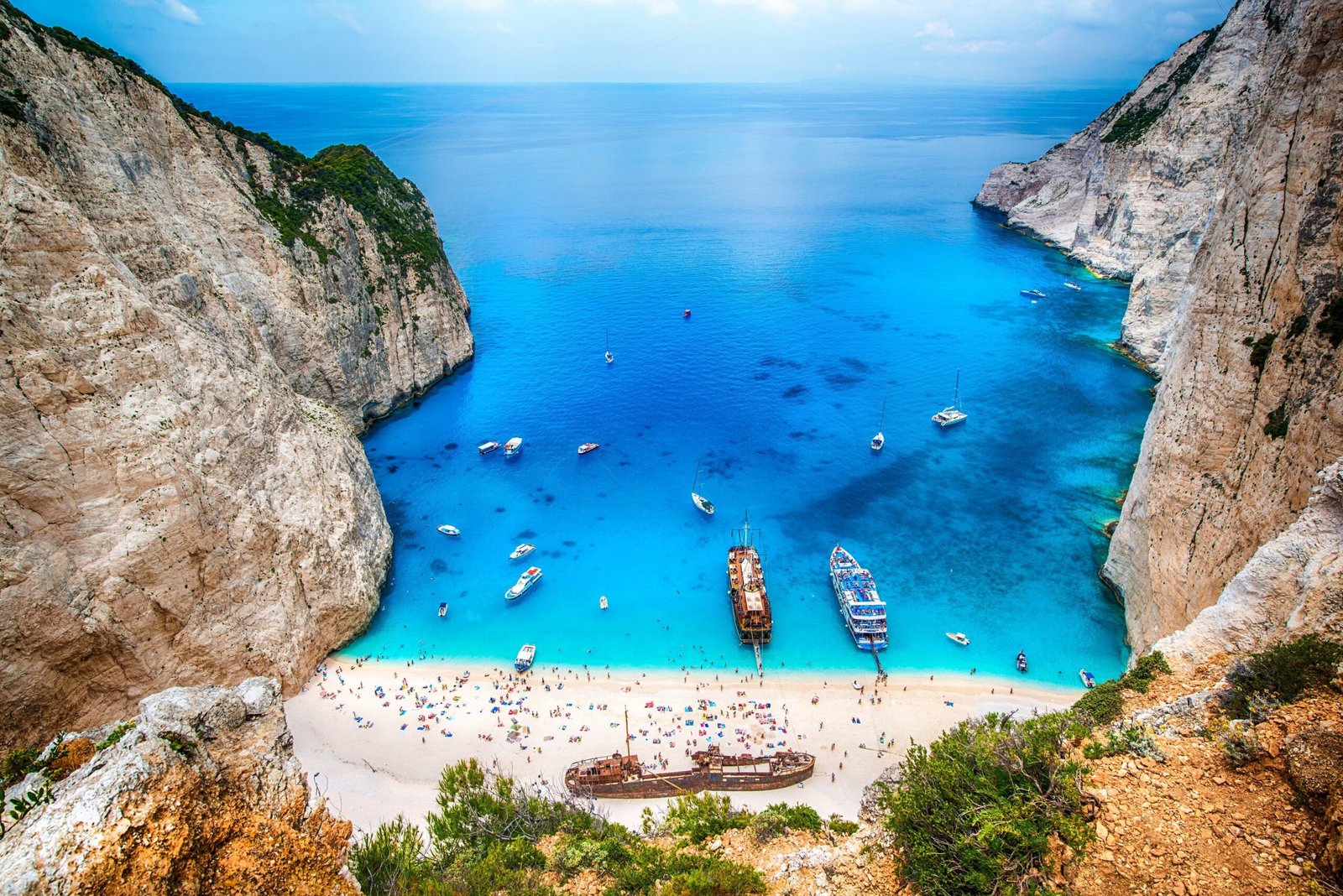
  • Navagio Beach – Also known as Shipwreck Beach, famous for its turquoise waters and dramatic cliffs.
  • Mykonos – Renowned for its beaches, nightlife, and charming old town.

Things to do

  • Explore ancient archaeological sites in Athens.
  • Watch the sunset in Santorini.
  • Relax on the beaches of Mykonos, Crete, or Zakynthos.
  • Take a ferry between the Greek islands.
  • Hike through scenic coastal trails and mountains.
  • Enjoy Greek cuisine, including moussaka, souvlaki, gyros, Greek salad, and baklava.

Best time to visit

  • April–June: Pleasant weather with fewer crowds.
  • September–October: Warm seas and comfortable temperatures.
  • July–August: Peak beach season and lively island atmosphere.

Why visit Greece?

Greece offers:

  • Ancient ruins and UNESCO World Heritage Sites
  • Beautiful islands with crystal-clear waters
  • Rich mythology and cultural heritage
  • Mediterranean cuisine and fresh seafood
  • Friendly hospitality
  • Spectacular sunsets and coastal scenery

Whether you're exploring the historic Acropolis, sailing through the Aegean Sea, relaxing on the beaches of Santorini, or discovering charming island villages, Greece is a destination that combines history, natural beauty, and unforgettable experiences.